
From Invisible to Unstoppable: How One Student's Journey Through SOHK Changed Everything
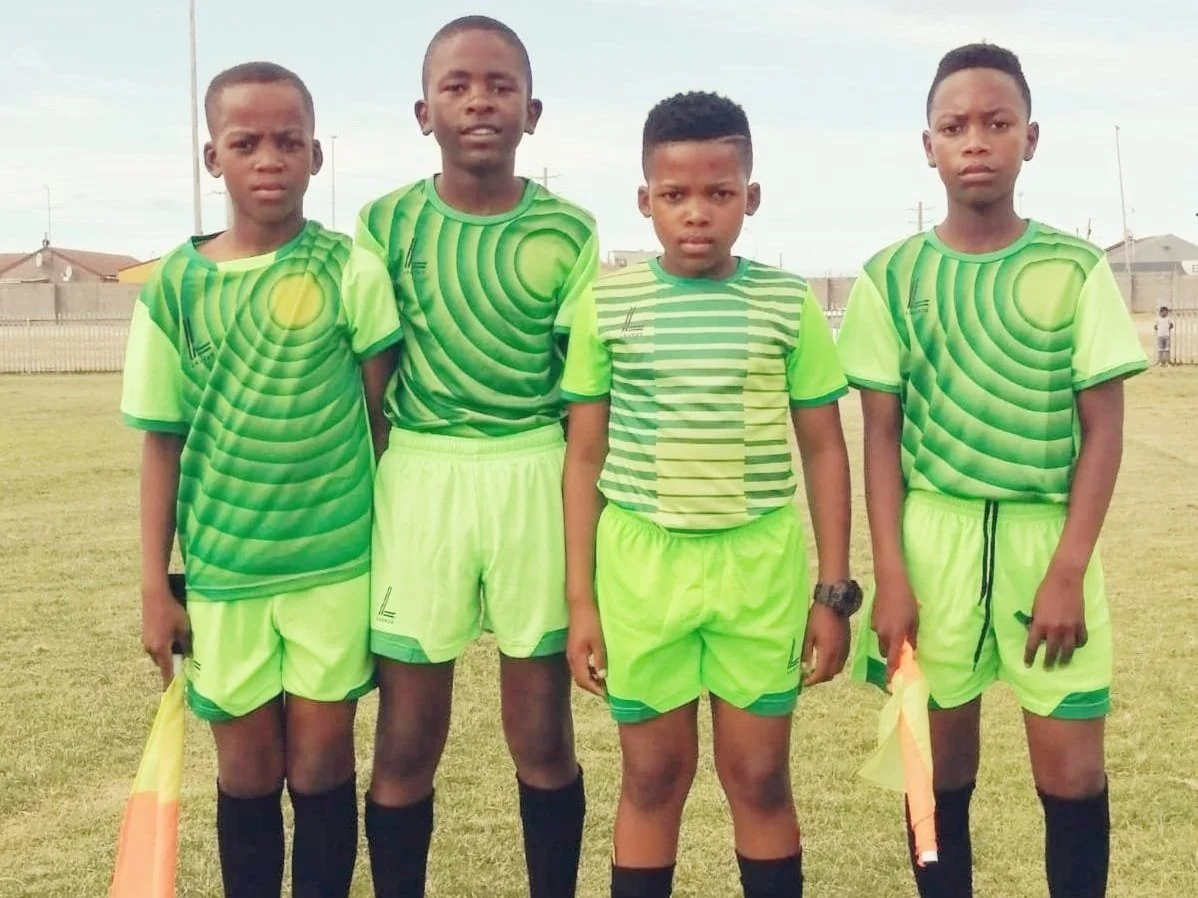
There are moments in our work at the School of Hard Knocks that remind us why we do what we do. Moments when a student who once sat in the back corner, silent and withdrawn, suddenly stands up to lead a team huddle. Moments when a young person who believed they had no future starts talking about their dreams with confidence and clarity. Moments when a parent tells us, through tears, that they have their child back.
This is one of those stories.
Meet Siya. When he first joined our programme two years ago, he was 14 years old, living in Khayelitsha, and carrying more weight than any teenager should have to bear. Today, he is a peer mentor, a rugby captain, and a young man who knows his worth. This is his story. And it is the story of what becomes possible when a community refuses to give up on its youth.
The Beginning: A Boy Who Felt Invisible
Siya grew up in a household where survival took priority over everything else. His mother worked long hours as a domestic worker, often leaving before sunrise and returning after dark. His father had left when Siya was seven, and contact had been sporadic ever since. Siya had two younger siblings who looked up to him, but he often felt more like a parent than a brother.
At school, Siya was quiet. Too quiet. Teachers barely noticed him. He sat at the back of the class, never raised his hand, and turned in assignments that were just good enough to pass. He had friends, but no one he felt truly close to. No one he could talk to about the loneliness that sat heavy in his chest, or the anger that sometimes bubbled up without warning.
By the time he reached Grade 9, Siya had started skipping school. Not every day, but enough that his marks began to slip. He spent hours on his phone, scrolling through TikTok, watching other people live lives that seemed impossibly far from his own. He felt stuck. Invisible. Like nothing he did would ever matter.
His mother noticed the change but did not know what to do. She was exhausted, worried, and overwhelmed. When a teacher mentioned that Siya seemed withdrawn, she felt a pang of guilt but had no idea where to turn for help.
Then, one afternoon, a SOHK coach came to Siya's school.
The Invitation: A Chance to Try Something Different
The coach's name was Lunga, and he was not like the other adults Siya had encountered. Lunga did not lecture. He did not judge. He simply invited students to join a rugby programme that met twice a week after school. No experience necessary. No fees. Just show up.
Siya was not interested at first. Rugby felt like something for other people—people who were confident, athletic, and outgoing. But Lunga was persistent. He noticed Siya lingering near the field one day and walked over.
"You ever played rugby?" Lunga asked.
Siya shook his head.
"Good," Lunga said with a grin. "Then you've got nothing to unlearn. Come try it out. If you hate it, you never have to come back."
Something about the way Lunga spoke made Siya feel seen. Not pressured. Not judged. Just seen. So the next week, he showed up.
The Struggle: Learning to Trust Again
The first few sessions were hard. Siya felt awkward and out of place. He did not know the rules of rugby. He was not as fast or as strong as some of the other students. And when the coach asked everyone to share one thing they were grateful for during the closing circle, Siya froze. He could not think of anything.
But something kept him coming back. Maybe it was the way the coaches treated him with respect, even when he messed up. Maybe it was the way his teammates cheered when he completed a drill, no matter how small. Or maybe it was the fact that, for the first time in a long time, he felt like he was part of something.
Slowly, Siya began to open up. In the team huddles, the coaches did not just talk about rugby. They talked about emotions, mental health, and the challenges the students were facing. They created space for honesty. And in that space, Siya realised he was not alone.
Other students shared stories that sounded like his own. They talked about feeling invisible, about carrying responsibilities that felt too heavy, about not knowing how to ask for help. And the coaches listened. They did not try to fix everything. They just listened, validated, and reminded the students that their feelings mattered.
For Siya, this was revolutionary. He had spent so long believing that his struggles were his alone to carry. But here, in this circle of teammates and coaches, he began to see that vulnerability was not weakness. It was connection.
The Breakthrough: Finding His Voice
The turning point came during a particularly tough week. Siya's mother had been ill, and he had missed several days of school to help care for his siblings. He felt overwhelmed, exhausted, and on the verge of quitting the programme altogether.
But when he showed up to practice that week, Lunga pulled him aside.
"You alright, Siya?" Lunga asked.
Siya shrugged. "I'm fine."
Lunga did not push, but he did not let it go either. "You know, it's okay not to be fine. You don't have to carry everything on your own."
Something in Siya cracked open. And for the first time, he told someone the truth. He talked about his mother's illness, about feeling like he had to be strong for everyone, about the fear that he was failing at everything. He talked until there were no words left, and Lunga just listened.
When Siya finished, Lunga said something he would never forget: "You're not failing, Siya. You're surviving. And that takes more strength than most people will ever know. But you don't have to do it alone anymore. We've got you."
That conversation changed everything.
The Transformation: Becoming a Leader
Over the next year, Siya's transformation was remarkable. He started attending school regularly again. His marks improved. He became more engaged in class, even raising his hand to answer questions. But more than that, he became a leader.
On the rugby field, Siya was no longer the quiet boy in the back. He was vocal, encouraging his teammates, calling out plays, and stepping up when things got tough. The coaches noticed his growth and invited him to take on more responsibility. By the end of the year, Siya was named team captain.
But his leadership extended beyond the field. Siya started checking in on his teammates, especially the newer students who seemed withdrawn or struggling. He remembered what it felt like to feel invisible, and he made sure no one else had to feel that way. He became the kind of person he had needed when he first joined the programme.
At home, things were still hard. His mother's health improved, but money was tight, and responsibilities were heavy. But Siya had tools now. He knew how to name his emotions. He knew how to ask for help. And he knew that his worth was not determined by his circumstances.
The Ripple Effect: Inspiring Others
Siya's story did not just change his life. It changed his family, his school, and his community.
His mother noticed the difference immediately. Siya was more communicative, more confident, and more hopeful. He talked about his future—about finishing school, maybe even going to university. He talked about becoming a social worker or a coach, someone who could help other young people the way he had been helped.
At school, teachers saw a different student. Siya was engaged, motivated, and supportive of his peers. He started a peer support group where students could talk about mental health and challenges they were facing. He became a bridge between students and teachers, helping to create a culture of openness and care.
And in the SOHK programme, Siya became a role model. Younger students looked up to him. They saw that transformation was possible. They saw that asking for help was not weakness. They saw that leadership was not about being perfect—it was about showing up, being honest, and lifting others up.
What Made the Difference
Siya's story is not unique. We see transformations like this all the time at SOHK. But what makes them possible? What are the ingredients that turn a struggling, invisible teenager into a confident, compassionate leader?
1. Consistent Presence
Siya did not change because of one conversation or one session. He changed because there were people who showed up for him, week after week, no matter what.
2. Safe Spaces for Vulnerability
The team huddles and check-ins created an environment where Siya could be honest about his struggles without fear of judgment.
3. Mentorship and Role Models
Coaches like Lunga did not just teach rugby. They modelled emotional intelligence, compassion, and resilience.
4. Peer Support
Siya was not alone in his struggles. Being surrounded by peers who understood him made all the difference.
5. Empowerment, Not Rescue
The coaches did not try to fix Siya's problems. They gave him tools, support, and belief in himself. They empowered him to find his own strength.
6. Holistic Approach
SOHK did not just focus on sport. They addressed mental health, emotional literacy, family dynamics, and academic support.
Why Stories Like Siya's Matter
Siya's story is proof that young people are not broken. They are not lost causes. They are not statistics. They are human beings with incredible potential, waiting for someone to see them, believe in them, and walk alongside them.
But stories like Siya's do not happen by accident. They happen because of intentional, sustained, community-driven work. They happen because of organisations like SOHK that refuse to give up on youth, even when the world has written them off.
And they happen because of people like you—donors, volunteers, advocates—who believe that every young person deserves a chance to thrive.
How You Can Be Part of More Stories Like This
Siya's transformation was made possible by a community that invested in him. Your support can create more stories like his.
Here is how you can help:
Donate: Your financial support helps us reach more students, train more coaches, and expand our programmes to more schools and communities.
Volunteer: Your time and presence can be the difference between a student feeling invisible and feeling seen.
Advocate: Share our work. Talk about youth mental health. Help break the stigma and build awareness.
Partner with us: If you represent a school, business, or organisation, let's work together to create safe, supportive spaces for young people.
Every rand, every hour, every conversation matters. Because behind every statistic is a Siya—a young person waiting for someone to believe in them.
A Final Word from Siya
We asked Siya what he would say to other young people who are struggling right now. Here is what he told us:
"I know what it feels like to think you don't matter. I know what it's like to feel alone, even when you're surrounded by people. But I also know that things can change. You just need one person to see you. One space where you feel safe. One moment where you realise you're not alone. For me, that was SOHK. And it saved my life. So if you're reading this and you're struggling, please don't give up. There are people who care. There are people who will fight for you. You just have to let them in."
At the School of Hard Knocks, we are not just changing individual lives. We are building a movement. A movement of young people who know their worth, who support each other, and who refuse to let their circumstances define their futures.
Join us. Because every young person deserves to go from invisible to unstoppable.
Resources:
School of Hard Knocks: www.schoolofhardknocks.co.za
SADAG: 0800 567 567
Childline South Africa: 116