
Taking Care of Yourself as the Holiday Season Ramps Up
The last few months of the year carry a lot of weight. Whether you celebrate Christmas, attend end-of-year ceremonies, or are simply trying to make it through exam season, the holidays come with a very particular kind of pressure. There’s the pressure to show up, to be joyful, to spend money, to make decisions, to host family, to travel. And underneath all that is often a quiet voice whispering, “I’m tired.”
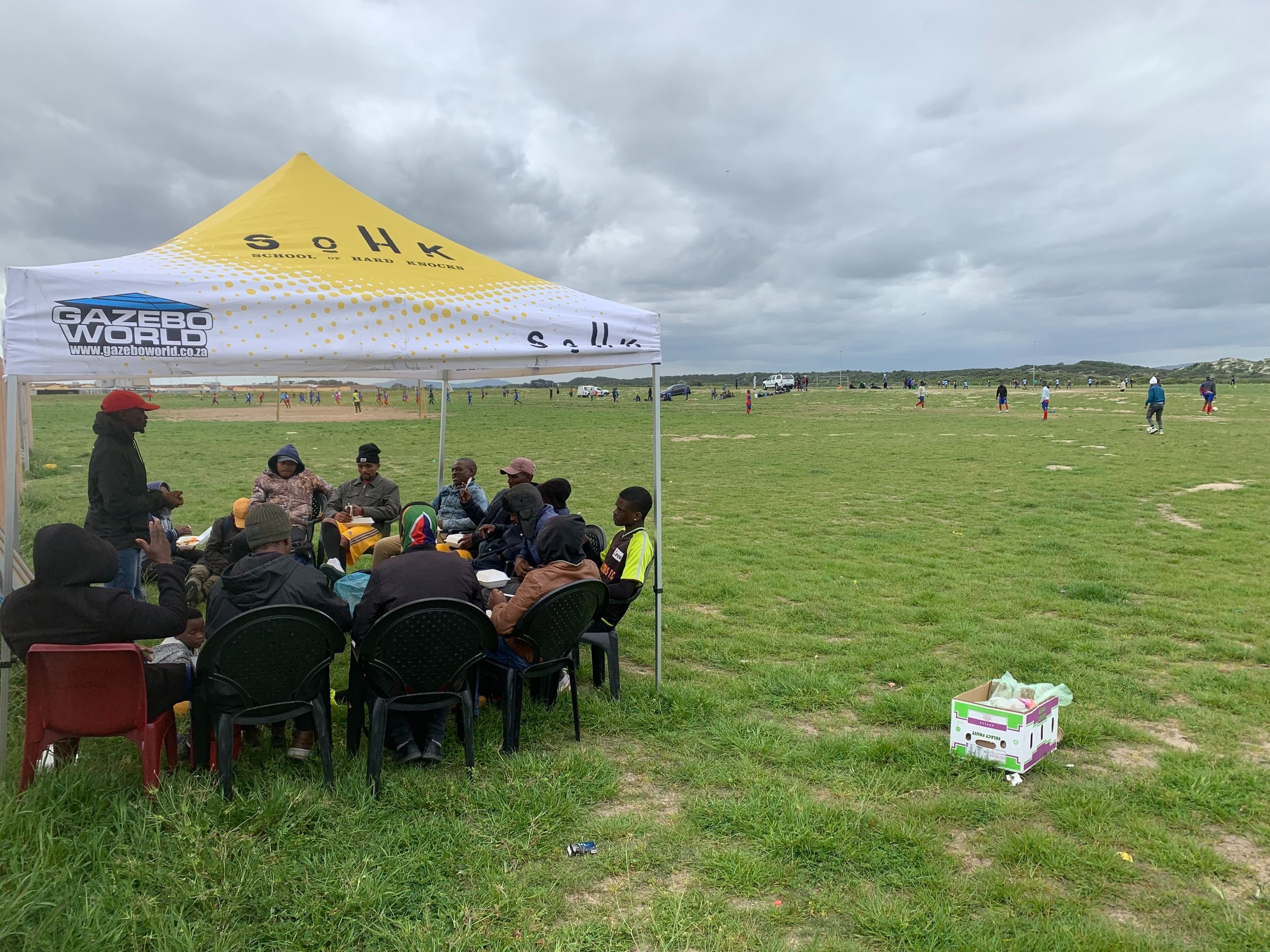
At School of Hard Knocks, we work with young people who feel this pressure more than most. Many of them are coming from homes where resources are scarce. Some are experiencing grief, others are carrying the emotional labour of caregiving. The holidays can bring up feelings of loneliness, disconnection, or stress — not because they are not important, but because they carry such high expectations.
So this is your reminder: it is okay to take care of yourself first. Not just okay, it is essential.
Here are some ways to stay grounded, emotionally steady, and mentally well as the holiday season approaches — for students, parents, mentors, teachers, and our broader SOHK community.
1. Name the Pressure
The holidays are often idealised as a time of joy, connection, and magic. But for many, they bring up anxiety. Maybe it is because money is tight. Maybe it is because family dynamics are complicated. Or maybe it is because you are exhausted from a year that took everything out of you.
Naming the pressure is the first way to reduce its grip. Say it out loud. Write it in a journal. Tell a trusted friend. When we name our experience, we take the first step in caring for our nervous system.
2. Make Space for Real Emotions
Not every student is looking forward to the holidays. Some feel deep sadness at the absence of a loved one. Others dread the lack of routine or the long days with nowhere to go. As adults, we often want to “cheer them up” or “distract them,” but real mental health support begins with validation.
Instead of pushing them toward happiness, try saying:
“It makes sense you feel overwhelmed right now.”
“This time of year can be hard.”
“You don’t have to pretend to be okay.”
This kind of language models emotional maturity and gives them permission to feel what they feel.
3. Protect Your Time and Energy
It is easy to become overcommitted during this season. Parties, events, family visits, shopping, errands. But your energy is not infinite, and it is not your job to please everyone.
Give yourself permission to say no. Set boundaries. Leave early if you need to. Create little breaks in your week that are just for you — a walk in the morning, a quiet coffee, a moment to stretch and breathe.
These small acts of protection are not selfish. They are how we show up for others from a place of fullness instead of depletion.
4. Prepare Students for the Shift
Many of our students thrive on routine. School, while sometimes challenging, offers structure, meals, support, and community. When school closes for the holidays, some young people experience a kind of emotional whiplash.
Prepare them by talking through what the break will look like. Ask:
Who will be around?
What will your days look like?
What can you do when you’re feeling bored or overwhelmed?
Help them create small rituals to stay grounded — journaling, exercise, or even checking in with a friend once a week. A little preparation goes a long way.
5. Stay Aware of Triggers
For those with trauma histories, holidays can be full of sensory and emotional triggers. Crowded shopping malls, loud family gatherings, being around people who may not feel safe, or simply the memories associated with previous Decembers.
This is especially true for teens who have experienced violence, grief, or abandonment.
At SOHK, we remind our students that being triggered is not a failure. It is a message from the body. And the best thing you can do when it happens is to breathe, create safety, and reach out for help.
Adults can support by:
Helping identify potential triggers in advance
Creating calming routines (music, breathwork, movement)
Offering quiet spaces when needed
Reminding young people that they are not alone
6. Watch for Loneliness in Disguise
Loneliness does not always look like sadness. Sometimes it looks like anger. Sometimes it looks like endless scrolling on TikTok. Other times it looks like isolating in a room and refusing to come out.
The holidays can intensify feelings of disconnection, especially for students who feel different, unheard, or unseen in their families.
If a young person is acting out or withdrawing, resist the urge to punish or fix. Try to connect instead. Be curious, not controlling. Ask them how they are doing and really mean it.
Sometimes a conversation is more important than any present you could buy.
7. Give the Gift of Attention
You do not need to spend money to make someone feel seen. Teenagers, especially, are desperate for presence. They want to know someone notices them, cares about their opinions, and sees their effort.
Instead of gifts, try:
A long walk together
A handwritten letter
Time spent doing something they love
A conversation where they lead
This kind of attention is what many of our students at SOHK say they crave the most. Someone who will just sit with them and listen.
8. Model Healthy Digital Use
The holidays often mean more screen time, especially for youth without access to travel or events. While phones can offer connection, they can also become a tool for escape and numbing.
Adults can help by:
Talking about social media use openly
Setting healthy limits, without shame
Encouraging time offline — not as punishment, but as an act of care
Joining them in things they enjoy that do not involve screens
When students see adults modeling balanced phone use, they are more likely to reflect on their own habits. Especially when you explain why it matters.
9. Reflect on the Year
Before launching into the new year, pause to reflect on the one that has passed. Encourage students and families to do the same.
You can ask:
What did you learn about yourself this year?
What was the hardest moment?
What are you proud of?
What are you looking forward to next year?
This helps create closure. It also strengthens self-awareness, something we prioritise in all SOHK programmes.
10. Ask for Help
You are not supposed to do this alone.
If you are feeling overwhelmed, burnt out, or emotionally flat, you are not failing. You are human. There are people who want to support you — but they cannot help unless you say something.
Whether you are a student, parent, educator, or community member, this season is better when we ask for support, when we check in on each other, and when we hold space for the full range of human experience.
At SOHK, that is what we do every day. And we invite you to join us.
Final Thoughts
The holidays are not easy for everyone. But they can be meaningful. They can be quieter. They can be slower. They can be about rest, connection, and self-awareness instead of consumption and performance.
Our work at the School of Hard Knocks continues year-round. We do not disappear when the schools close. We know that trauma does not take a holiday. Neither does mental health.
If you are looking for a way to give back this season, consider supporting us.
Your donation helps us provide meals, uniforms, trained mentors, mental health resources, and safe spaces for students who need it most. Your time, your presence, your advocacy — they all matter.
Let’s move into the holiday season with more awareness, more compassion, and more care. For our students. For our communities. For ourselves.