
When the Weight Feels Too Heavy: Recognizing Depression in Young People and How to Respond
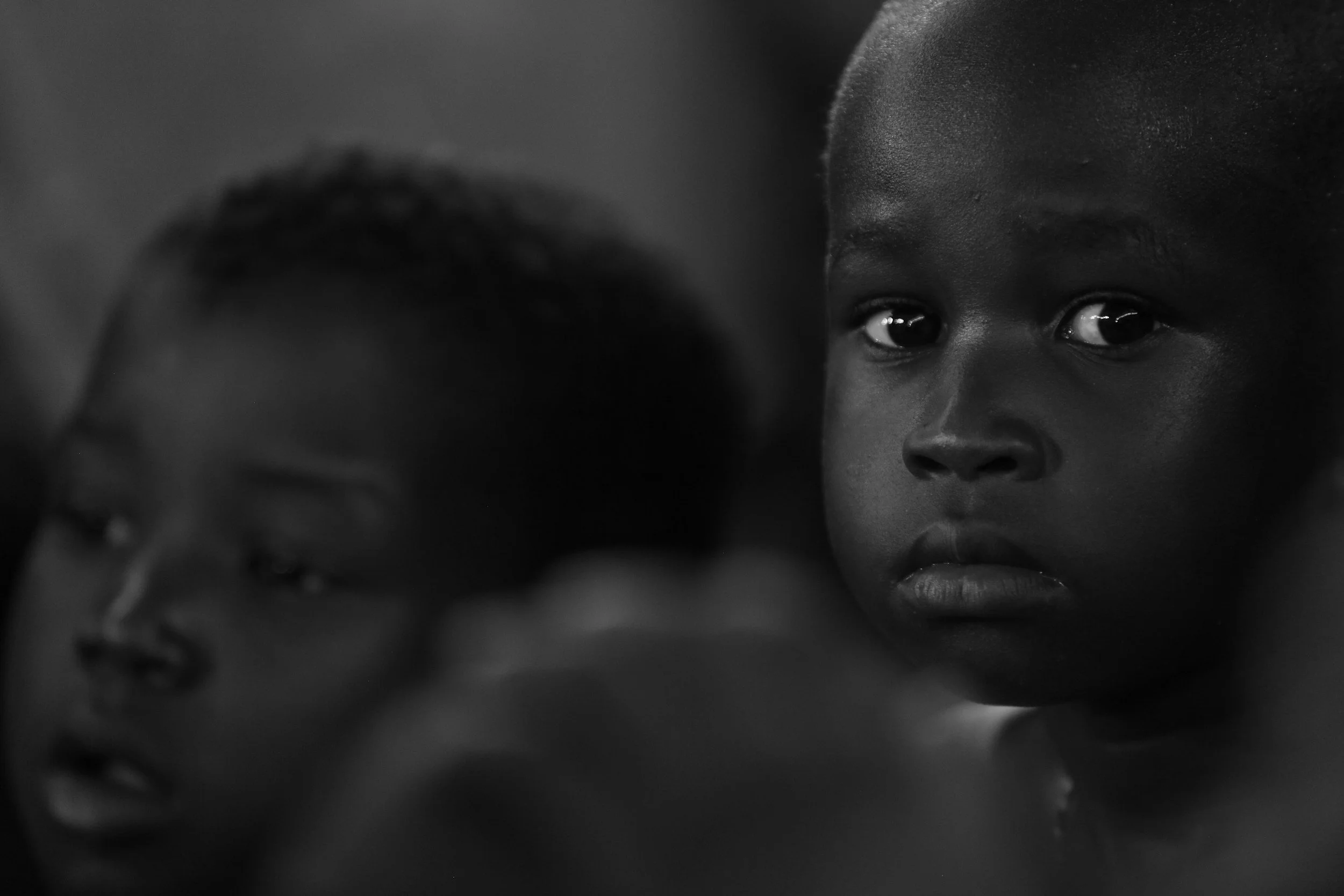
Depression is not just sadness. It is not a bad mood that will pass with time. It is not something a young person can simply "snap out of" or "get over." Depression is a real, diageable mental health condition that affects how someone thinks, feels, and functions in their daily life. And in South Africa, it is affecting our youth at alarming rates.
At the School of Hard Knocks, we see depression show up in many forms. Sometimes it looks like anger. Sometimes it looks like withdrawal. Sometimes it hides behind a smile, a joke, or a shrug that says, "I'm fine." But underneath, there is a young person struggling to carry a weight they were never meant to bear alone.
This is why we need to talk about depression openly, honestly, and without shame. We need to learn how to recognize it, how to respond to it, and how to create environments where young people feel safe enough to ask for help.
Understanding What Depression Really Is
Depression is more than feeling down after a bad day. It is a persistent state of low mood, hopelessness, and emotional numbness that lasts for weeks, months, or even years. It affects the brain's chemistry, making it harder for someone to experience joy, motivation, or connection.
For young people, depression can be especially confusing. They may not have the language to describe what they are feeling. They may think something is wrong with them, that they are broken or weak. They may believe no one will understand, or worse, that no one will care.
According to the South African Depression and Anxiety Group (SADAG), one in five South African teenagers experiences symptoms of depression. Yet fewer than 25 percent of them receive any form of support or treatment. This gap is not just a statistic. It is a crisis. And it is one we can address if we know what to look for.
What Depression Looks Like in Youth
Depression does not always look the way we expect. In teenagers, it often presents differently than it does in adults. Here are some of the signs that a young person may be struggling:
Emotional Signs
Persistent sadness, emptiness, or irritability
Feelings of worthlessness or excessive guilt
Loss of interest in activities they once enjoyed
Frequent crying or emotional outbursts
Expressing feelings of hopelessness about the future
Behavioral Signs
Withdrawing from friends, family, or social activities
Declining academic performance or skipping school
Changes in sleep patterns (sleeping too much or too little)
Changes in appetite or weight
Increased risk-taking behavior or substance use
Self-harm or talking about death or suicide
Physical Signs
Constant fatigue or low energy
Unexplained aches and pains
Difficulty concentrating or making decisions
Moving or speaking more slowly than usual
It is important to note that not every young person will show all of these signs. Some may hide their pain very well. Others may express it through anger, defiance, or acting out. The key is to pay attention to changes in behavior, mood, or functioning that last longer than two weeks.
Why Depression Hits Our Youth So Hard
Young people in South Africa face unique challenges that increase their vulnerability to depression. Many grow up in environments marked by poverty, violence, family instability, and limited access to resources. They witness trauma. They carry adult responsibilities. They navigate systems that were not designed to support them.
On top of that, they are dealing with the normal pressures of adolescence: identity formation, peer relationships, academic expectations, and the overwhelming influence of social media. They are constantly comparing themselves to others, feeling like they are not enough, and struggling to find their place in the world.
For many, home is not a safe space to talk about feelings. Mental health is still stigmatized in many communities. Boys are told to "man up." Girls are told to be strong for everyone else. And so they suffer in silence, believing that asking for help is a sign of weakness.
This is where we, as a community, must step in.
How to Respond When a Young Person Opens Up
If a young person tells you they are struggling, your response matters more than you know. Here is how to create a safe, supportive space:
1. Listen Without Judgment
Do not minimize their feelings or try to fix them immediately. Just listen. Let them speak without interruption. Show them that their pain is valid and that you take it seriously.
2. Avoid Clichés
Phrases like "It could be worse" or "Just think positive" can make someone feel dismissed. Instead, try saying:
"I'm really glad you told me."
"You're not alone in this."
"It makes sense that you're feeling this way."
3. Ask Directly About Safety
If you are concerned about self-harm or suicide, ask directly: "Are you thinking about hurting yourself?" This does not plant the idea. It opens the door for them to be honest and get help.
4. Connect Them to Support
Encourage them to speak to a counselor, psychologist, or trusted adult. Offer to help them find resources. In South Africa, SADAG offers a free helpline: 0800 567 567.
5. Follow Up
Check in regularly. Let them know you are still there. Depression is not a one-time conversation. It requires ongoing support.
What SOHK Is Doing to Address Depression
At the School of Hard Knocks, we do not wait for young people to reach a crisis point. We build mental health education into everything we do. Through our programmes, students learn to identify their emotions, understand their triggers, and develop healthy coping strategies.
We create spaces where vulnerability is not weakness. Where asking for help is encouraged. Where every student knows they matter, not because of what they achieve, but because of who they are.
Our coaches are trained in trauma-informed care and mental health first aid. They know how to spot the signs of depression. They know how to respond with compassion. And they know when to escalate concerns to professionals.
We also work closely with families, schools, and community partners to create a network of support around each student. Because no young person should have to fight depression alone.
Breaking the Stigma Starts With Us
One of the biggest barriers to treating depression is stigma. Young people fear being labeled as "crazy," "weak," or "attention-seeking." They worry about being judged by their peers, rejected by their families, or misunderstood by their teachers.
We can change this. We can normalize conversations about mental health. We can model emotional honesty. We can teach our children that mental health is just as important as physical health, and that seeking help is a sign of strength, not failure.
This starts in our homes, our schools, our sports fields, and our communities. It starts with us being willing to say, "I see you. I hear you. And I'm here for you."
Practical Steps You Can Take Today
Whether you are a parent, teacher, coach, or community member, here are some ways you can support young people struggling with depression:
Educate yourself about mental health. Read, listen, and learn.
Create open lines of communication. Let young people know they can talk to you about anything.
Model healthy emotional expression. Share your own feelings and struggles in age-appropriate ways.
Advocate for mental health resources in schools and community programs.
Support organizations like SOHK that are doing this work on the ground.
Check in regularly with the young people in your life. A simple "How are you really doing?" can make all the difference.
A Message to Young People Reading This
If you are struggling with depression, please know this: You are not broken. You are not alone. And you are not a burden.
What you are feeling is real, and it is not your fault. Depression is not a character flaw. It is a medical condition that can be treated. There are people who want to help you. There are people who care about you, even if it does not always feel that way.
Reaching out is hard. We know that. But it is also the bravest thing you can do. Talk to someone you trust. Call a helpline. Send a message to a friend. Take one small step toward getting support. You deserve to feel better. You deserve to heal. And you deserve a future full of hope.
How You Can Support This Mission
At SOHK, we are committed to creating a generation of emotionally intelligent, mentally healthy young people. But we cannot do it alone. We need your support.
Your donation helps us provide mental health education, trained mentors, safe spaces, and ongoing support to students who need it most. Your time as a volunteer can change a young person's life. Your voice as an advocate can help break the stigma around mental health.
Together, we can make sure no young person has to carry the weight of depression alone. Together, we can build a South Africa where mental health is a priority, not an afterthought.
If this mission speaks to you, we invite you to join us. Donate. Volunteer. Share this message. Be part of the change.
Because when we lift the weight off one young person's shoulders, we lift the future of our entire community.
Resources:
SADAG 24-Hour Helpline: 0800 567 567
Suicide Crisis Line: 0800 567 567
Childline South Africa: 116 (toll-free)
School of Hard Knocks: www.schoolofhardknocks.co.za