The Silent Struggle: Understanding Peer Pressure and How to Help Young People Stand Strong
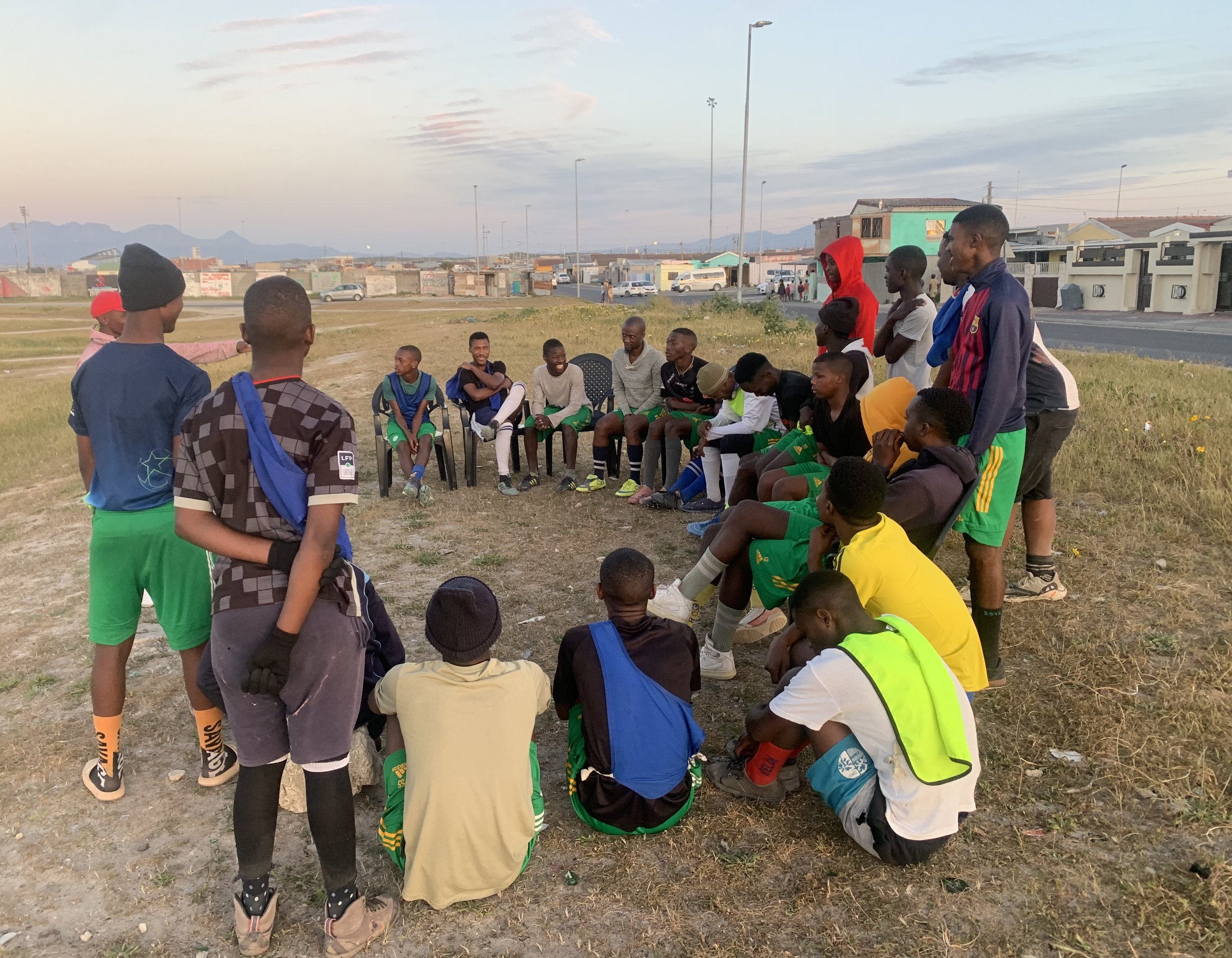
Peer pressure is one of the most powerful forces in a young person's life. It shapes decisions, influences behaviour, and can determine the path a teenager takes during some of the most formative years of their development. For many youth in South Africa, peer pressure is not just about fitting in at school. It is about survival, identity, and belonging in environments where those things feel scarce.
At the School of Hard Knocks, we see the impact of peer pressure every day. We see students who want to make good choices but feel trapped by the expectations of their friends. We see young people who know right from wrong but fear being rejected, mocked, or isolated if they stand up for what they believe. We see the internal battle between wanting to belong and wanting to be true to oneself.
This is why we need to talk openly about peer pressure. Not to lecture or shame, but to equip young people with the tools, confidence, and support they need to navigate these challenges with strength and integrity.
What Peer Pressure Really Looks Like
Peer pressure is not always obvious. It is not always someone directly telling you to do something wrong. Sometimes it is subtle. Sometimes it is silent. And sometimes it comes from people who genuinely care about you but are also struggling with their own insecurities.
Peer pressure can show up in many forms:
Direct Pressure
This is the most recognisable type. A friend or group directly asks, dares, or challenges someone to do something. It might be trying alcohol, skipping school, engaging in risky behaviour, or participating in bullying.
Indirect Pressure
This happens when young people feel pressured simply by observing what others are doing. If everyone around them is dressing a certain way, talking a certain way, or engaging in certain activities, they may feel they need to do the same to fit in—even if no one explicitly told them to.
Social Media Pressure
In today's digital world, peer pressure extends far beyond the schoolyard. Young people are constantly exposed to curated images of what their peers are doing, wearing, and achieving. The pressure to present a perfect life online, to gain likes and validation, or to participate in viral trends can be overwhelming.
Self-Imposed Pressure
Sometimes the pressure comes from within. A young person may assume that others expect certain things from them, even if that is not true. They may create narratives in their head about what they need to do or be in order to be accepted.
Why Peer Pressure Is So Powerful
The teenage brain is still developing, particularly the prefrontal cortex, which is responsible for decision-making, impulse control, and weighing consequences. At the same time, the brain's reward centre is highly active, making social acceptance feel incredibly important—sometimes more important than safety or long-term wellbeing.
For young people in South Africa, the stakes can feel even higher. Many come from communities where social bonds are essential for survival. Being part of a group can mean protection, resources, and emotional support. Being excluded can mean isolation, vulnerability, and danger.
Add to this the normal adolescent desire for independence, identity formation, and the need to be seen and valued, and you have a perfect storm. Peer pressure becomes not just influential—it becomes defining.
The Consequences of Negative Peer Pressure
When young people give in to negative peer pressure, the consequences can be serious and long-lasting:
Academic decline: Skipping school, not studying, or disengaging from learning
Risky behaviour: Substance abuse, unsafe sexual activity, or criminal involvement
Mental health struggles: Anxiety, depression, low self-esteem, and identity confusion
Damaged relationships: Loss of trust with family, teachers, or positive role models
Legal trouble: Involvement in activities that lead to arrest or a criminal record
Physical harm: Injuries from dangerous dares, fights, or reckless behaviour
But perhaps the most damaging consequence is the erosion of self-trust. When young people repeatedly act against their own values to please others, they begin to lose their sense of who they are. They start to believe they are not strong enough, smart enough, or worthy enough to stand on their own.
Recognising When a Young Person Is Struggling
As parents, teachers, coaches, and mentors, it is crucial to recognise the signs that a young person may be struggling with peer pressure:
Sudden changes in friend groups or social circles
Shifts in behaviour, attitude, or appearance
Declining academic performance or loss of interest in activities they once loved
Increased secrecy or defensiveness about their whereabouts or activities
Expressing feelings of being "different" or not fitting in
Showing signs of anxiety, stress, or low self-worth
Engaging in behaviours that are out of character
If you notice these signs, do not wait. Start a conversation. Create space for honesty. Let them know you are there to support them, not to judge them.
How to Help Young People Resist Negative Peer Pressure
Resisting peer pressure is not about being a loner or rejecting all social influence. It is about developing the confidence, skills, and support system to make choices that align with one's values, even when it is hard.
Here is how we can help:
1. Build Their Sense of Identity
Young people who have a strong sense of who they are and what they stand for are better equipped to resist pressure. Help them explore their values, interests, and strengths. Encourage them to pursue passions that make them feel confident and capable.
2. Teach Assertiveness Skills
Role-play scenarios where they might face pressure. Practise responses like:
"No thanks, I'm good."
"That's not really my thing."
"I've got other plans."
"I don't feel comfortable with that."
The more they practise saying no in a safe environment, the easier it becomes in real situations.
3. Normalise Saying No
Let young people know that it is okay to decline invitations, to walk away, or to choose differently than their friends. Saying no does not make them boring or weak. It makes them strong.
4. Help Them Find Positive Peer Groups
Surround them with people who share their values. This might be through sports teams, youth groups, mentorship programmes, or community organisations like SOHK. When they have friends who support their goals, peer pressure becomes a positive force.
5. Keep Communication Open
Create a home environment where young people feel safe to talk about their struggles without fear of punishment or judgment. Ask open-ended questions. Listen more than you speak. Let them know that you trust them and that mistakes are part of learning.
6. Model Integrity
Young people watch what we do more than they listen to what we say. Show them what it looks like to stand by your values, even when it is unpopular. Share your own stories of times you faced pressure and how you handled it.
7. Empower Them to Be Leaders
Encourage them to be the friend who stands up for others, who invites the lonely kid to sit with them, who speaks out against bullying. When they see themselves as leaders, they are less likely to follow the crowd blindly.
What SOHK Is Doing to Combat Peer Pressure
At the School of Hard Knocks, we do not just tell young people to resist peer pressure. We give them the tools, the community, and the confidence to do it.
Through our rugby-based programmes, students learn teamwork, accountability, and respect. But more importantly, they learn that strength is not about dominance or fitting in. It is about standing firm in who you are, supporting your teammates, and making choices that reflect your values.
We create peer groups built on positive influence. Our students encourage each other to show up, to try hard, to be honest, and to ask for help when they need it. They learn that real friendship is not about pressure—it is about support.
We also provide mentorship from coaches who have walked similar paths. These mentors share their own stories of overcoming peer pressure, making mistakes, and finding their way. They become living proof that it is possible to stay true to yourself and still belong.
A Message to Young People
If you are reading this and you feel the weight of peer pressure right now, we want you to know something: You do not have to be like everyone else to be valued.
The people who truly care about you will respect your choices. They will not abandon you for saying no. And if they do, they were never really your friends to begin with.
It is okay to be different. It is okay to walk away. It is okay to choose your own path, even if it feels lonely at first. Because the right people—the ones who see you, respect you, and support you—will find you. And when they do, you will realise that belonging does not require you to lose yourself. It requires you to be yourself.
You are stronger than you think. You are braver than you feel. And you are never alone.
How You Can Support This Work
Peer pressure is a challenge that no young person should have to face without support. At SOHK, we are building communities where young people can be themselves, make healthy choices, and grow into confident leaders.
But we need your help to expand this work. Your donation helps us reach more students, train more mentors, and create more safe spaces where young people can thrive. Your time as a volunteer can be the difference between a student giving in to pressure or standing strong. Your voice as an advocate can help shift the culture in schools and communities.
Together, we can create a generation of young people who lead with integrity, who support each other, and who are not afraid to stand up for what is right.
If you believe in this mission, join us. Donate. Volunteer. Share this message. Be the support that a young person needs to resist the pressure and rise above it.
Because when we empower one young person to stand strong, we inspire an entire generation to do the same.
Resources:
Childline South Africa: 116 (toll-free)
SADAG (South African Depression and Anxiety Group): 0800 567 567
School of Hard Knocks: www.schoolofhardknocks.co.za