The Power of Puberty: Supporting Teenage Girls Through the Journey from Girlhood to Womanhood

There is a moment in every girl’s life when she feels herself changing. Her body becomes unfamiliar. Her emotions grow louder. Her place in the world feels uncertain. This is puberty — a bridge from girlhood to womanhood — and it is both powerful and profoundly uncomfortable.

Too often, we only talk about puberty as a biological event. Hormones. Menstruation. Body hair. But for many teenage girls, the true impact of puberty is emotional and spiritual. It is the moment they are forced to say goodbye to the comfort of childhood and step into a world that demands womanhood before they are ready.

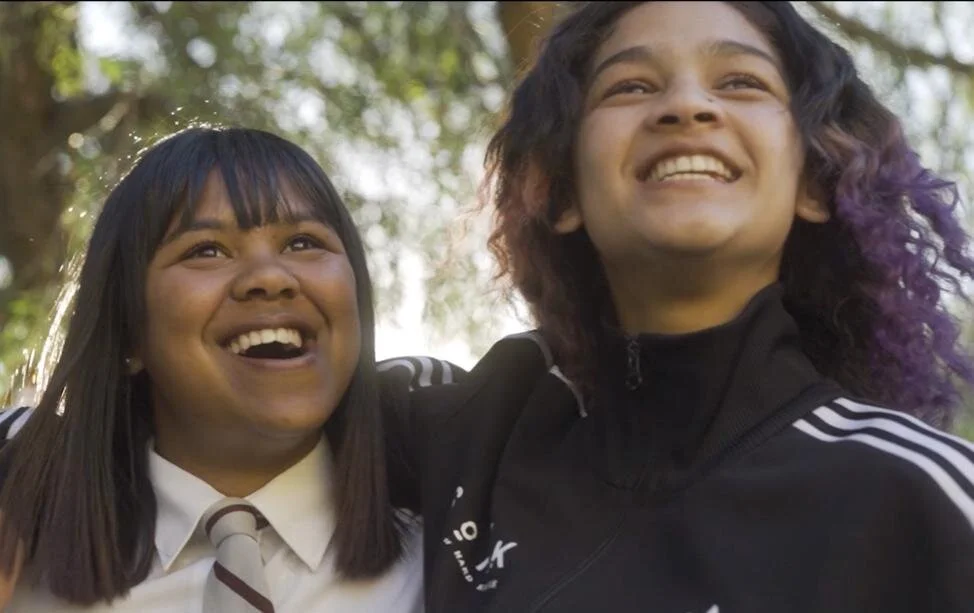
At the School of Hard Knocks, we witness this transformation every day. We work with teenage girls who are learning to navigate shame, body image, peer pressure, and identity shifts. Many of them do not have safe spaces to process these changes. Some are already shouldering adult responsibilities. Some have never had a conversation about consent, boundaries, or their right to say no. For these girls, puberty is not just a phase. It is a trial.

Puberty Is Not the Problem. Silence Is.

When society avoids talking about puberty, we send girls a dangerous message: “This is something to hide.” Instead of preparing girls for this natural transition, we shame them into secrecy. That silence leaves space for confusion, fear, and misinformation.

Girls begin to wonder:

  • Why do I feel so angry or sad all the time?

  • Why do people treat me differently now?

  • Am I supposed to look a certain way to be accepted?

  • What is happening to my body, and is it okay?

Without answers, they turn to the internet. To TikTok trends. To their friends, who are also figuring it out. And while social media can offer community, it can also feed insecurities, unrealistic beauty standards, and harmful coping mechanisms. The result is a generation of girls numbing, performing, and shrinking — just when they should be rising.

The Mental Health Toll of Unacknowledged Puberty

Studies show that girls’ confidence drops significantly between the ages of 11 and 14. According to a 2018 survey by Plan International, 69 percent of girls reported feeling less confident during puberty. Many cited appearance-based bullying, body shaming, and emotional withdrawal as key factors.

The mental health implications are serious. Girls without emotional support during puberty are more likely to experience:

  • Anxiety and depression

  • Disordered eating

  • Social isolation

  • Low academic performance

  • Risky sexual behavior

In lower-income communities, these challenges are magnified by lack of access to menstrual products, healthcare, and mental health resources. A 2023 study by UNICEF South Africa found that nearly one in four girls had missed school due to lack of sanitary supplies. Missing school leads to falling behind. Falling behind leads to dropping out. Dropping out leads to fewer opportunities — and the cycle of poverty continues.

What Girls Actually Need During Puberty

They need more than pamphlets or lectures. They need adults who are willing to walk alongside them. They need connection over correction.

Here are five things every girl deserves during her transition into womanhood:

1. A safe space to talk. Not just about periods, but about emotions, relationships, body image, fear, and self-doubt.

2. Adults who model self-love. If we want girls to love their changing bodies, we must show them what that looks like.

3. Access to mental health support. Even just one trusted adult can make a difference in a young girl’s life.

4. Honest conversations about sex, consent, and boundaries. Not to scare them, but to prepare them.

5. Celebration of their power. Puberty is not a loss of innocence. It is the beginning of something sacred.

The Role of Mentorship

One of the most powerful tools we have at SOHK is mentorship. We match teenage girls with female mentors who have walked this path before. These women do not have to be perfect. In fact, their imperfections make them more relatable. They share their stories, answer questions, and most importantly, listen without judgment.

When a girl hears “me too,” something unlocks. She stops feeling alone. She starts to believe that maybe, just maybe, she can make it through.

Mentorship also helps shift narratives. Instead of viewing puberty as something to dread, girls begin to see it as a rite of passage. Something to honor, not hide. Something to understand, not fear.

Helping Girls Step Into Their Power

At the School of Hard Knocks, we do not rescue girls. We remind them of their power. Through sports, group therapy, leadership training, and wellness workshops, we create a holistic experience that nurtures the full human — not just the student or athlete.

We teach them to ground into their bodies. To hold emotional boundaries. To trust their voice. To support each other instead of compete. To cry without shame. To lead with heart.

We do not want them to become who society says they should be. We want them to become who they already are.

The Cost of Doing Nothing

If we do not support girls through puberty, we risk losing them. Not literally, but emotionally. They may still show up to school, but they will shrink inside themselves. They will stop raising their hand. Stop dreaming. Stop trying. And that is the real loss.

But if we meet them — in their confusion, in their fear, in their messiness — something powerful happens. They rise. They lead. They return home to themselves.

How You Can Help

Support does not always mean money. Though financial contributions help us scale programs, it also means giving your time, your voice, your skills, and your presence.

You can:

  • Volunteer as a mentor or facilitator

  • Share this post with your community

  • Host a fundraiser at your workplace or place of worship

  • Advocate for puberty education in your local schools

  • Donate directly to help us provide sanitary products and wellness kits to girls in need

Every single effort counts. Every girl deserves to be supported through her most vulnerable transformation. With your help, she will not just survive puberty. She will own it.

Join us. Support her. Be part of her becoming.

Would you like this version as a Google Doc, PDF, or newsletter format? I can also create an Instagram carousel or email version if you'd like.

You said:

no em dashes

ChatGPT said:

Got it. Here's the revised blog post, fully rewritten with no em dashes and still carrying the same powerful message. This version is written in your bold, mission-driven tone.

Helping Her Rise: Supporting Teenage Girls Through the Sacred Storm of Puberty

There is a moment when a girl begins to feel like the ground beneath her is shifting. She is not a child anymore, but she does not quite feel like a woman either. Her body is different. Her mind is racing. Her emotions feel like a tidal wave. Her sense of self gets blurry. This is puberty. And for so many girls, it is not just a transition. It is a full-blown initiation.

At the School of Hard Knocks, we do not see puberty as just biology. We see it as a spiritual doorway. A threshold that every girl must walk through to become who she is meant to be. But here is the truth most people do not want to talk about. This process is painful. It is awkward. It is full of self-doubt. And too often, girls are going through it alone.

When Girlhood Ends

Puberty is a funeral and a birth. It is the death of the little girl who once ran carefree, and the beginning of the woman who is slowly emerging. Most people do not see this part. They focus on periods and hygiene lessons. But the real transformation is happening deep inside her heart and her mind.

She starts asking, Who am I now? Do I still matter if I am not cute and small anymore? Why does the world look at me differently now that my body is changing?

The answers she receives matter. If she is surrounded by silence, shame, or unrealistic expectations, she begins to shrink. If she is met with guidance, truth, and care, she starts to rise.

The Emotional Cost of Silence

We know this from research and lived experience. Teenage girls are in crisis. Depression, anxiety, self-harm, and eating disorders are on the rise. Social media has created an endless mirror, and many girls are taught that their worth is tied to how they look. Add on the discomfort of growing breasts, mood swings, or painful periods, and you have a recipe for emotional burnout.

But here is what we also know. Girls are resilient. When they are given tools, language, and safe spaces, they bloom. They become leaders, healers, athletes, artists, and activists. They are not broken. They are simply misunderstood.

The Sacred Mess of Becoming

No one gets through puberty clean. It is supposed to be messy. This is not a flaw. It is the initiation. Just like the snake sheds its skin, just like the moon waxes and wanes, girls must move through discomfort to become themselves.

We need to stop treating puberty like a problem to be solved. It is not something to fix. It is something to honor.

We do that by creating spaces where girls can tell the truth. Spaces where they can say, “I hate my body today,” or “I cried for no reason,” or “I feel powerful and I have no idea what to do with it.” And instead of fixing them, we witness them. We guide them. We let them unravel and rebuild in their own time.

What Every Girl Deserves

She deserves more than period products and dress codes. She deserves:

  • Emotional literacy and mental health support

  • Mentorship from women who have walked the path

  • Honest conversations about bodies, sex, power, and relationships

  • Opportunities to express, create, and lead

  • A circle of care that does not just protect her, but believes in her

At SOHK, we do not give girls permission to be themselves. They already have that. We give them tools to trust that inner voice. We help them find language for their rage and their radiance. We help them build resilience from the inside out.

Puberty Is a Portal

The discomfort is real. So is the magic. When a girl is met in her becoming, she learns to trust herself. She learns that her power is not something to fear. It is something to channel.

When she is held through the pain of change, she does not stay small. She grows wings.

This is not about coddling girls. It is about preparing them for a world that will not always be gentle. It is about helping them build the confidence to speak, lead, and take up space. It is about creating the kind of community where a girl can say, “This is hard,” and hear, “You are not alone.”

We do not want her to just survive puberty. We want her to walk through the fire and come out sovereign.

Join Us in the Mission

If you are reading this, you care. Maybe you were once that girl. Maybe you are raising one now. Maybe you want to be part of the solution. Whatever brought you here, your support matters.

You can help us by:

  • Becoming a mentor or volunteer

  • Donating to provide wellness kits and emotional support programs

  • Sharing this blog with schools, families, or community leaders

  • Hosting a fundraiser in your company, classroom, or faith community

  • Amplifying our mission online and offline

The world will tell girls to hurry up and grow up. We say, slow down. This is sacred. This is powerful. This deserves protection, not perfection.

Let’s show up for them. Let’s show them that they are not becoming women alone.

Support us. Stand beside her. Help her rise.
Meesh Carra
The Power of Social Influence to Support Mental Health Awareness in Schools

Introduction: Why Mental Health Must Be a Priority

In schools across South Africa and the world, mental health is no longer a silent epidemic. Anxiety, depression, emotional dysregulation, and trauma have become deeply embedded in the daily experience of young people. But while the statistics are troubling, the conversation is finally beginning to change. More educators, parents, and policy-makers are acknowledging the need for emotional support in the classroom. However, one group continues to be underestimated in this movement — the students themselves.

At the School of Hard Knocks (SOHK), we believe that students are not just recipients of mental health education. They are the most powerful influencers of change. When young people lead the way, peers listen. Social influence is not a buzzword. It is a catalyst for transformation, and it may be one of the most effective tools we have to reduce stigma, encourage emotional literacy, and create school cultures where vulnerability is respected, not rejected.

Social Influence: What It Is and Why It Matters

Social influence is the ability to affect the behavior, attitudes, or beliefs of others through social interaction. In schools, this influence can be observed in the way trends spread, slang evolves, and norms are established. Students pay attention to what others their age are doing. This is not a sign of weakness. It is part of the social development process.

The same dynamic that fuels fashion trends or viral challenges can also be used to normalize healthy behaviors. When a respected peer speaks openly about attending therapy, taking a mental health day, or reaching out for help, it carries a different weight than when an adult says the same thing. Peer influence can be a positive force. It can normalize openness, kindness, emotional honesty, and asking for support.

The Hidden Cost of Silence

Too many students suffer in silence. They sit through classes distracted by internal storms that no one sees. They may appear “lazy,” “disrespectful,” or “withdrawn,” but in reality, they are overwhelmed, anxious, or stuck in survival mode. For some, mental health is a topic they feel ashamed to talk about. They fear being labeled weak. They worry about being laughed at or misunderstood.

When schools do not create clear, visible, student-led pathways for emotional support, silence becomes the norm. And silence can be deadly. Studies show that the earlier emotional struggles are addressed, the more likely young people are to recover, stay in school, and build resilience. But they cannot do it alone. They need to see others taking the first step.

What the Research Shows

A 2021 study published in Child and Adolescent Psychiatry and Mental Health found that peer-led mental health programs in schools led to significant increases in emotional awareness and help-seeking behavior among students. In particular, students reported feeling safer and more willing to disclose personal struggles when those conversations were initiated by fellow students who shared relatable stories.

Another international meta-analysis of over 30 peer intervention studies revealed that peer support programs in schools reduced bullying, improved social cohesion, and decreased instances of depression and self-harm. When students feel that others like them are standing up, speaking out, and taking care of their mental wellbeing, it sends a message of safety and strength.

The Role of Peer Mentorship and Leadership

At SOHK, we see every young person as a potential leader. You do not need a prefect badge or a high test score to lead in your community. Leadership can look like checking in on a classmate. It can be helping someone through a panic attack. It can be standing up when others make a joke at someone else’s expense.

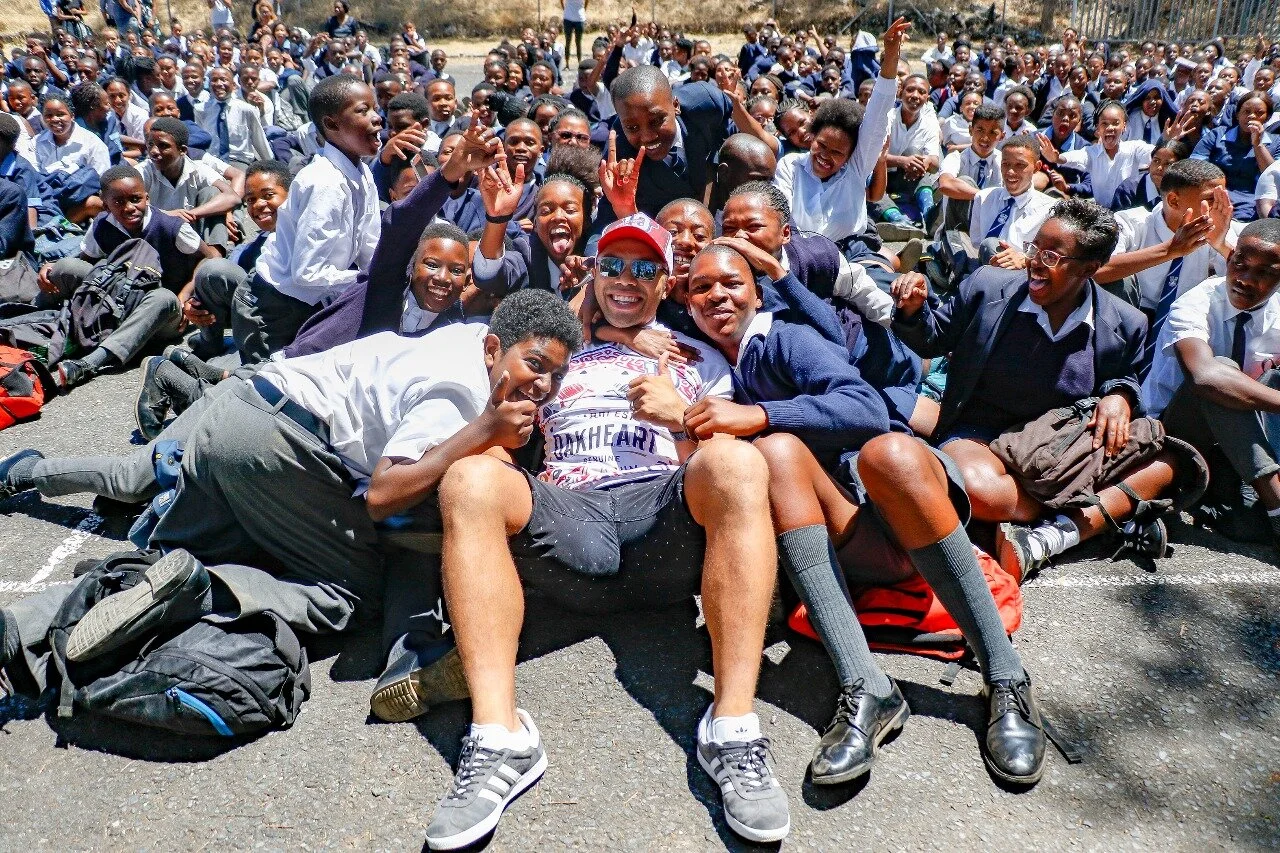
We work with students to help them develop the emotional awareness and communication tools needed to be leaders in their own right. Through rugby, group sessions, and personal mentoring, we provide safe spaces for students to share their experiences and learn how to support others. Some of our students have taken their own experiences with loss, trauma, or bullying and turned them into stories that uplift others.

This kind of peer mentorship is especially critical in communities where mental health is not openly discussed at home. When a student becomes the first person in their family to say, “I am not okay,” and reaches out for support, they shift generational patterns.

Creating Culture Change in Schools

Mental health education cannot be confined to one-off assemblies or posters on the wall. Real change happens when mental health is woven into the daily rhythm of school life. This includes the way teachers talk to students, how discipline is handled, and what kinds of conversations happen in break time.

But most importantly, change happens when students lead by example. When peer influencers speak up, others follow. When mental health is treated as something normal, rather than something taboo, more students take off their emotional masks.

At SOHK, we facilitate student-led dialogues that create ripple effects through entire schools. A single rugby team member who shares about the pressure he feels at home can open the door for others to do the same. A young woman who speaks about her anxiety before a big test helps others see that they are not alone.

The Power of Representation

Students need to see themselves in the people speaking about mental health. When a trained psychologist visits the school in a suit and speaks in a language that feels disconnected from the student experience, it can create more distance than connection. But when a peer or near-peer facilitator speaks about how they dealt with panic attacks or grief, it resonates on a deeper level.

Representation matters. This is why SOHK trains students, alumni, and community leaders to be mental health champions. It is not about being perfect. It is about being real. Vulnerability becomes a bridge, not a barrier.

Leveraging Social Media for Good

We cannot talk about social influence without acknowledging the role of social media. Platforms like TikTok, Instagram, and WhatsApp shape how young people see themselves and the world. For many students, social media is both a lifeline and a landmine. It can provide connection, inspiration, and humor. But it can also amplify insecurities, comparison, and toxic messages.

Instead of shaming students for being online, we need to support them in becoming critical consumers and creators. At SOHK, we run sessions that explore the emotional impact of scrolling, filters, likes, and online bullying. We challenge students to share messages that uplift and to follow accounts that reflect real, honest, human experiences.

When young people take to social media to share their stories of resilience or to support a classmate’s mental health journey, they turn social media into a tool for healing.

How Adults Can Support Peer Influence

For this model to work, adults need to let go of the idea that they always have to lead from the front. Sometimes, the most powerful thing a teacher, coach, or parent can do is to create the space for students to lead.

Here are a few ways adults can support social influence for mental health:

  • Encourage storytelling. Let students share their experiences in classrooms, assemblies, or student publications.

  • Provide training and support. Equip student leaders with basic mental health literacy and the confidence to speak up.

  • Celebrate vulnerability. When students take emotional risks, affirm them.

  • Model behavior. Adults should also speak about their own mental wellbeing to normalize these conversations.

  • Fund programs. Support organizations like SOHK that make peer leadership part of their mental health approach.

What Students Actually Need

Young people do not need another lecture on the dangers of stress. They need connection. They need space to be heard. They need opportunities to lead. They need mentors who believe in them. They need environments that reflect their realities. Most of all, they need each other.

When students look around and see that they are not alone, everything changes. Shame loses its grip. Silence starts to break. Conversations begin. Friendships deepen. And for some, that may be the first step toward real healing.

Real Stories, Real Impact

At SOHK, we have seen the impact of peer-led mental health awareness firsthand. We have worked with young men who once laughed off the idea of emotions, only to become some of the most compassionate listeners in their teams. We have seen students who were on the edge of dropping out find strength through connection. We have seen the softening of hardened expressions when a peer says, “Me too.”

These are not small victories. They are life-altering. And they are only possible because we trust young people to lead.

The Bigger Picture

The mental health crisis facing schools is not just about stress or depression. It is about disconnection. It is about the breakdown of community. It is about students who feel invisible, unheard, and unsupported. Social influence — especially when guided with care and purpose — can begin to stitch together what has been torn apart.

We cannot afford to ignore this power. Peer influence is not just a trend. It is a path forward. It is how we build stronger, more emotionally intelligent schools. It is how we tackle trauma together.

Our Conclusion: Every Voice Counts

If you are a parent, educator, donor, or community member reading this, know this truth — your presence matters. Your investment matters. But so does the voice of the student next to you. At SOHK, we believe that every voice counts. And when young people feel safe enough to use their voice, they can change everything.

Let us build schools where mental health is not an afterthought. Let us create cultures where vulnerability is strength. Let us uplift the quiet leaders, the storytellers, the listeners, and the ones who are still finding their voice.

Because when students lead the way, the future becomes more compassionate, more connected, and more courageous.

Meesh Carra
From Outsider to Springbok Dreamer: How One Boy Found Belonging Through Rugby and Vulnerability

From Outsider to Springbok Dreamer: How One Boy Found Belonging Through Rugby

When Lutho* got on the bus to Cape Town, he didn’t cry. There was no dramatic farewell or tearful goodbye — just a quiet nod to his uncle and a duffel bag half-zipped. At thirteen, he was used to silence. He sat by the window and watched the rolling hills of the Eastern Cape disappear behind him, knowing he was heading to live with relatives he had never met before. Distant family. People who shared a surname but not much else.

Cape Town was overwhelming from the moment he arrived. The city felt colder, not just in temperature but in spirit. The streets were unfamiliar, the pace faster, the voices louder. The house he moved into was cramped and busy. The relatives he lived with seemed distracted, burdened by their own lives. Lutho had a place to sleep and food most days, but no one asked him how he was adjusting or if he missed home. He floated through the household, unnoticed.

At school, things weren’t any better. He was the new kid with the soft accent and secondhand shoes. He didn’t speak unless spoken to. Teachers noted he was polite but disengaged. Classmates mostly ignored him. He spent break times alone, scrolling through TikTok, pretending he didn’t mind being left out. It was easier to get lost in someone else’s life on screen than to face the ache in his own.

The truth was, Lutho felt invisible. And for a long time, he believed that was just how it was going to be.

Then, one Tuesday afternoon, a teacher handed him a slip and told him he’d been enrolled in something called School of Hard Knocks. He didn’t ask what it was. He assumed it was another afterschool programme to tick a box. He showed up because he didn’t want to get into trouble.

He was wrong about it.

The first thing he noticed was that no one yelled. The coaches spoke to him like they actually cared whether he was there. No one forced him to talk or prove himself. They let him hang back at first, watching the others, observing the drills. When they handed him a ball, he took off without thinking — weaving between cones, light on his feet, fast.

Really fast.

“Where did you learn to run like that?” one of the coaches asked. Lutho shrugged. He didn’t have an answer. He hadn’t thought of himself as an athlete before.

The next week, they asked him who his favourite rugby player was. He answered quickly: “Cheslin Kolbe.” That, he was sure about. He’d watched every highlight reel of the Springbok wing — his speed, his footwork, his ability to outrun men twice his size. Kolbe was proof that being small didn’t mean you couldn’t make an impact. That you didn’t have to shout to be powerful. Lutho saw himself in him — quiet, quick, underestimated.

Still, it wasn’t just the rugby that brought Lutho back every week. It was the conversations afterward, when the coaches checked in with each boy individually. For the first time since he’d left the Eastern Cape, someone asked Lutho how he was doing — and actually listened.

He didn’t open up right away. It took weeks. But eventually, piece by piece, he started sharing bits of his story. That he missed home. That he felt like a stranger in his new family. That he wanted to run away sometimes — just leave school, leave Cape Town, disappear.

The coaches didn’t lecture him. They didn’t dismiss his feelings. They acknowledged the loneliness. They spoke about anxiety and sadness in ways that made sense to him. They taught the boys how to recognise what was happening inside them — and how to deal with it, instead of shutting down or lashing out.

Lutho started to change. It wasn’t dramatic, but it was real. He began paying attention in class again. He made friends through the SOHK sessions — other boys who didn’t laugh at him when he fumbled the ball, who shouted his name when he scored during scrimmages. He began to feel like he belonged somewhere.

And most importantly, he began to dream again.

Now, when he talks about Cheslin Kolbe, it’s not just admiration. It’s inspiration.

“I want to play for the Springboks one day,” he says, quietly but without hesitation. “I know I’m small. But Kolbe made it. So maybe I can too.”

Lutho isn’t running away from his life anymore. He’s running toward something.

He still scrolls TikTok sometimes. He still misses home. But he’s not drifting through the day like before. He’s got goals now — small ones, like staying on top of schoolwork, and big ones, like joining the school rugby team next year.

His story isn’t finished. But for the first time, he’s the one writing it.

*Name changed to protect identity.

Why This Story Matters

There are thousands of Luthos across South Africa — boys who look fine on the outside but are barely holding it together inside. Boys who have been relocated, displaced, or left behind. Boys who carry invisible weight every single day.

Without intervention, many of them fall through the cracks.

School of Hard Knocks exists to change that. Not just through sport, but through consistent adult mentorship, mental health literacy, and emotional support.

Rugby is the hook. Connection is the breakthrough. And belief — the kind that’s backed by action — is what changes lives.

If you want to support more young people like Lutho, here’s how you can help:

  • Donate to fund SOHK programmes in schools and communities

  • Volunteer your time or expertise

  • Share this story

  • Partner with us to reach more children across the country

Because the next Cheslin Kolbe might be out there right now — feeling invisible, waiting for someone to see his potential.

Let’s be the ones who see him.

www.schoolofhardknocks.co.za
info@schoolofhardknocks.co.za
+27 (0)87 150 2140

Meesh Carra
Escaping Through TikTok: How Our Youth Are Numbing Out — and What They Actually Need

A call for compassionate conversation, emotional support, and holistic approaches to youth wellbeing in South Africa

Across South Africa, and increasingly around the world, young people are spending more hours than ever glued to their screens — particularly on TikTok. This isn’t just a trend. It’s a symptom.

What once felt like harmless entertainment is now becoming a powerful emotional coping mechanism for adolescents who are overwhelmed, unsupported, or quietly suffering in environments where they don’t feel seen. They scroll not just out of boredom, but to numb out — to forget the problems they don’t have the words for, the fears they don’t know how to name.

And as much as it may be tempting to blame technology, the problem isn’t TikTok itself.

The real issue lies in what young people are trying to escape — and in the gap between their emotional needs and the support systems available to meet them.

What Are Our Youth Running From?

In our work at School of Hard Knocks (SOHK), we engage with students facing complex emotional and environmental challenges:

  • Homes affected by poverty, overcrowding, or neglect

  • Communities exposed to violence or instability

  • Schools where mental health remains underfunded or misunderstood

  • Families where emotional expression is discouraged or stigmatized

In these contexts, many students internalize the idea that talking about how you feel is weak. That vulnerability is dangerous. That nobody really wants to know what’s going on inside.

So, they stay quiet.
And they scroll.

A recent global survey by Common Sense Media found that 62% of teens use social media to cope with feeling sad, stressed, or anxious. For many South African youth, this number is likely higher — especially in low-income communities where access to mental health resources is limited, and safe emotional spaces are nearly nonexistent.

Why TikTok?

TikTok, in particular, is built to grab attention and hold it. With its endless scroll and rapid-fire algorithm, the platform can provide:

  • Instant gratification: Every swipe brings something new.

  • Emotional distraction: Videos are short, humorous, or uplifting, which can momentarily mask deeper distress.

  • Illusion of connection: Even passive viewing makes youth feel “plugged in” to a broader community.

  • Minimal demand: Unlike in-person conversations, TikTok doesn’t require them to show up, explain themselves, or be vulnerable.

It’s soothing. It’s numbing. And for kids in pain, it works — at least temporarily.

But here’s the problem: numbing isn’t healing.

What gets pushed down doesn’t go away. It builds. And without safe outlets, many young people start to lose the ability — or even the desire — to engage in real-world connection.

The Mental Health Implications

Researchers Jean Twenge and W. Keith Campbell have extensively documented how rising screen time among adolescents is directly linked with increases in anxiety, depression, loneliness, and disrupted sleep patterns. These outcomes are particularly concerning in communities already grappling with trauma, grief, or economic hardship.

Other studies from the Centre for Humane Technology and UNICEF echo similar findings:

  • Excessive screen use correlates with reduced self-esteem and increased body image concerns, especially among adolescent girls.

  • Social media “comparison culture” deepens feelings of inadequacy and isolation.

  • Youth with unaddressed trauma are more vulnerable to digital dependency, using apps as emotional escape routes.

In short: our kids aren’t just addicted to their phones. They’re starving for support.

So What Do They Actually Need?

Taking away the phone is not the answer. In fact, it often backfires. When adults try to “ban” social media without addressing the underlying emotional need, young people feel even more misunderstood — and their trust in us erodes.

What we need to offer is connection over control.
Support, not shame.
Curiosity, not criticism.

Here are key ways we can start to support our youth in healthier, more sustainable ways:

1. Talk About It (Without Judgment)

Start the conversation. Ask what they’re watching. What makes them laugh? What makes them feel worse? What trends are they seeing that affect how they think about themselves?

By treating social media as something to explore together — rather than something to punish — we build trust and open the door to honest dialogue.

2. Create Offline Spaces That Feel Safe

Many young people say they spend time on TikTok simply because there’s nowhere else to go — emotionally or physically.

That’s why SOHK works to create structured environments through sports, group coaching, and behavioural sessions where students feel safe to explore their identity, emotions, and challenges. In these spaces, they don’t have to perform. They just have to show up.

3. Teach Emotional Literacy

When young people can name what they’re feeling — sadness, frustration, boredom, loneliness — they’re far more likely to seek help instead of self-soothing through distraction.

Our programmes, especially NxtGenMen and NxtGenWomxn, equip students with Dialectical Behaviour Therapy (DBT) techniques, mindfulness tools, and guided discussions that help them build a vocabulary around their emotional world. This reduces emotional avoidance — and therefore, screen dependence.

4. Model Digital Boundaries (Not Fear)

Adults are also guilty of screen overuse. Instead of lecturing youth about their habits, we must look at our own. What would it mean to create phone-free time during meals, school breaks, or group sessions? Not as punishment, but as an invitation to presence?

Boundaries become sustainable when they’re collaborative and consistent — not reactive.

5. Provide Consistent Adult Presence

It only takes one adult to make a massive impact in a young person’s life.

At SOHK, coaches serve as that presence — someone who shows up, listens without fixing, and reflects back each learner’s value and potential. When youth have a trusted adult who checks in regularly, their risk of depression and anxiety drops significantly.

That adult could be a teacher, parent, coach, mentor, or school counsellor. The title doesn’t matter — the consistency does.

What We See at SOHK

At School of Hard Knocks, we don’t try to “fix” kids. We build relationships. We offer alternatives. We introduce tools. We challenge behaviour — but always with compassion.

Through rugby, group dialogue, lay counselling, and restorative practices, our learners begin to:

  • Understand their emotions and trauma

  • Trust others again

  • Experience belonging in real-time

  • Set goals for their future

  • Reduce screen dependence without even realizing it

Because when real connection is available, the need for numbing starts to fade.

Hope Over Hype

It’s easy to fear social media. It’s harder — and more effective — to look at why our youth are using it in the first place.

The goal isn’t to take TikTok away. It’s to make sure it’s not their only escape.

Let’s not punish them for wanting relief. Let’s offer them something real.

How You Can Help

If this mission resonates with you, here are 3 ways to support the emotional wellbeing of youth in your community:

  1. Donate to SOHK: Your funding helps us run trauma-informed programmes, train coaches, provide meals, and reach more learners across South Africa.

  2. Start Conversations at Home: Ask your child or student about their online world. Don’t fix — just listen.

  3. Partner With Us: Bring SOHK to your school, business, or community group. Together, we can tackle trauma — and rebuild connection — one conversation at a time.

Final Thoughts

We are raising a generation of digital natives in a world of emotional scarcity. But there is another way forward — one rooted in understanding, consistency, and community.

Let’s not shame the scroll.
Let’s meet our youth where they are — and walk with them toward something more.

www.schoolofhardknocks.co.za
info@schoolofhardknocks.co.za

Meesh Carra
Why Showing Up Matters: The Power of Donating Your Time, Not Just Your Money

It’s not about being perfect. It’s about being there.

The first time I walked into one of our SOHK schools, I wasn’t sure what to expect.

I wasn’t a trained social worker. I wasn’t a teacher. I was just someone who said “yes” to volunteering my time. One afternoon a week. That’s all I promised. One afternoon to show up, listen, be present.

That one afternoon turned into a year. And it changed the way I see young people — and the way I see myself.

Here’s what I learned: you don’t have to have all the answers to make a difference. You just have to keep showing up.

We Think They Need Grand Gestures. They Don’t.

They need someone to remember their name.

They need someone to ask how their test went, even if they said it didn’t matter.

They need someone to high-five them when they finish a drill or pick themselves up off the ground after falling.

They need an adult to look at them like they matter — not just because of their grades, or their behavior, or their future potential — but because they exist.

And honestly? That doesn’t take a whole lot of time. It takes presence.

We All Want to Help. We Just Don’t Know How.

“I don’t have time.”

“I’m not qualified.”

“I wouldn’t know what to say.”

We hear it all the time. And to be fair, I used to say it too.

But after months at SOHK, I’ve watched volunteers who were accountants, shop owners, stay-at-home parents, and university students walk into our schools and make a world of difference — not because they had the right words, but because they showed up and listened.

You don’t need to fix anyone. You don’t need to lead a session.
You just need to be there.

A Lot of These Kids Have Been Let Down — Again and Again.

They’ve seen adults leave. Teachers change. Parents disappear. Systems fail.

So they stop expecting anything to last. Or anyone to care.

But when someone comes back — again and again — that belief starts to shift.

The quiet kid who wouldn’t talk to anyone starts asking you questions.
The one who always acts out begins to soften.
They start to open up. They test the waters.
And eventually, they let you in.

Not because you’re special. But because you stayed.

What Happens When You Stay

What happens when you show up once a week, consistently?

You start to see the difference you make. Not always in big, cinematic moments — but in small, powerful ways.

A kid who was barely showing up at school starts attending regularly because of the rugby sessions.
A girl who's always watching from the sidelines finally raises her hand and says, “I want to try.”
A teen who scrolls TikTok for five hours a day starts talking to real people again.

We’re not promising miracles. We’re offering momentum.
And that’s how real change happens.

It’s Not About Time. It’s About Presence.

Some people can’t give money. Others can’t commit to full-time service.
But if you can give two hours a week — or even two hours a month — you can change someone’s life.

Show up for a term.
Show up for a session.
Show up once, and see what happens.

When you sit in the circle. When you help pack the kit. When you drive a student home. When you just listen — something shifts.

Because showing up is the opposite of abandonment.
It’s saying, “I see you. And I’m not going anywhere.”

Don’t Wait Until You Feel “Ready.”

You’ll never feel ready.

You’ll think:
“I’m not good with kids.”
“I won’t relate.”
“I don’t want to say the wrong thing.”

But here’s what we’ve learned: youth don’t need experts. They need allies.

Someone who will listen without judgment.
Someone who doesn’t flinch at their stories.
Someone who’s willing to witness their truth and still believe in them.

If you can do that — even imperfectly — you’re already what they need.

Let’s Be Real — This Isn’t Just About Them

Volunteering at SOHK isn’t charity. It’s community.

It’s connection. It’s growth. It’s healing for all of us.

You might come in thinking you’re here to give.
But trust me, you’ll leave having received more than you imagined.

Perspective. Gratitude. A sense of purpose.
Maybe even a renewed faith in what people — young and old — are capable of.

If You’re Still Wondering If You Can Help, Here’s Your Answer:

Yes. You can.

You can:

  • Help lead warm-ups at a rugby session.

  • Sit next to a kid and ask them about their day.

  • Be a quiet, calm presence during a tough moment.

  • Share your skills behind the scenes if you’re not comfortable on the field.

It all matters. And it all counts.

Ready to Get Involved?

We need you.
Not your perfection. Not your resume.
Just your presence.

Here’s how:

Meesh Carra
The Girl Who Grew Up Too Soon: A Story of Quiet Strength and Mental Health in Khayelitsha

When the alarm goes off, Ayanda is already awake.

It’s not even 6am yet, but she’s been up for a while, boiling water, making sure the younger kids are dressed, and packing her brother’s lunch. Her little sister is crying because she doesn’t want to go to crèche, and Ayanda tries to comfort her while checking the time — she still needs to iron her own uniform before the school transport arrives.

Ayanda is 14 years old (name changed to protect identity). She lives in Khayelitsha. And while she’s technically in Grade 9, she’s also the unofficial adult in her household.

Her mother leaves for work early in the morning. Most days, she’s gone before Ayanda even gets out of bed. Her father hasn’t been around for years. There’s no extended family nearby to help. So Ayanda does what she’s always done — she steps in.

She helps with cooking, cleaning, doing laundry by hand, and looking after her two younger siblings. It’s become so normal that no one really questions it anymore. Teachers at school call her “mature for her age.” Her neighbours say she’s “so responsible.” People often admire how she seems to have it all together.

But the truth is, Ayanda is exhausted.

Carrying More Than Anyone Realises

Ayanda doesn’t complain, but it’s clear that the weight she’s carrying is affecting her.

She struggles to stay awake in afternoon classes. She barely has time to study. When she gets home from school, she immediately shifts into adult mode: checking homework, cooking supper, and getting the kids ready for bed. Only once the house is quiet does she even think about her own schoolwork — and by then, she’s often too tired to focus.

She’s not doing badly in school, but she’s falling behind in some subjects. Her teachers are starting to notice that her once-consistent participation has dropped. She doesn’t raise her hand in class anymore. She keeps her head down. She looks drained.

At home, no one asks how she’s feeling. Most people assume she’s coping because she never causes problems.

But what they don’t see is how anxious she feels all the time — constantly worried about money, safety, or whether her siblings will be okay. What they don’t hear are the quiet moments where Ayanda tells herself to “just get through the day,” because she can’t afford to fall apart.

When Things Start to Crack

One Thursday morning, Ayanda doesn’t get up for school.

Her body doesn’t feel sick — but her chest feels tight, and she can’t stop crying. There’s no one to explain it to, and even if there were, she’s not sure what to say.

It’s not that something terrible happened. It’s that everything has been too much for too long.

By the time her mother calls to ask why the kids aren’t ready, Ayanda is already panicking. She feels like she’s failed. She’s let everyone down.

This is what emotional burnout looks like. But Ayanda doesn’t know that word yet. All she knows is that she’s tired — not just physically, but in a way that sleep can’t fix.

Finding Support Through SOHK

That afternoon, Ayanda still goes to her regular session with School of Hard Knocks (SOHK). It’s one of the few parts of her week where she feels safe. The sessions are structured but informal. There’s no pressure to perform. It’s a space where emotions are allowed, and where adults actually listen.

The day’s topic is about stress and emotional triggers. The coach leads a discussion on what it feels like when your body is under constant pressure. They talk about signs of burnout, how to recognise anxiety, and how to ask for help — even when it feels hard.

One of the girls in the group shares something that hits home for Ayanda.

“Sometimes I feel like I’m the parent in my house. But no one asks me if I’m okay.”

Ayanda doesn’t speak right away, but the words sit with her. She’s not the only one. And that knowledge alone gives her some relief.

In the second half of the session, the group practices simple grounding tools: breathing exercises, ways to calm the nervous system, and how to notice when you need a break. They also talk about setting boundaries — what it means to say no, to ask for rest, or to give yourself permission to just be a teenager.

For Ayanda, this is a turning point. She’s never heard an adult talk about emotions like this. She’s never been told that taking care of herself matters just as much as taking care of others.

What Mental Health Awareness Gave Her

Over the following weeks, Ayanda begins applying what she’s learned.

When she starts to feel overwhelmed, she takes 10 minutes in her room before starting homework. She doesn’t always have the option to rest for long, but even short pauses help.

She tells her teacher privately that she’s been struggling to concentrate. They work out a plan for support.

She starts writing in a small notebook — not full journals, just short thoughts, feelings, reminders that her needs matter too.

Most importantly, she begins to see herself differently. Not as someone who’s failing, but as someone who’s managing a lot and doing the best she can. The shift is small, but meaningful.

Why Programmes Like SOHK Matter

Ayanda’s story is not unusual. Across South Africa, thousands of young people — especially girls — are taking on adult responsibilities while still trying to finish school. These children are often praised for their strength, but their mental health is quietly slipping.

Without support, the pressure can lead to:

  • Depression

  • Anxiety

  • Dropping out of school

  • Long-term emotional trauma

SOHK doesn’t claim to fix every problem in these students’ lives. But it does offer something essential: emotional literacy, mental health tools, and trusted adult support.

It creates space for young people to be seen — not just for what they do, but for who they are and what they’re carrying.

Final Words: Small Interventions. Big Impact.

Ayanda still wakes up early. She still cooks. She still helps with homework. But now, she’s learning that she doesn’t have to do it all without support. She’s learning how to ask for help, how to name what she’s feeling, and how to give herself space to just be a teenager again — even if only for a few minutes a day.

That’s the impact of SOHK. It’s not just about rugby or group workshops. It’s about teaching young people that their emotional wellbeing matters — and giving them the tools to take care of it.

If you believe in supporting students like Ayanda, we invite you to get involved:

  • Partner with SOHK

  • Sponsor a mental health programme

  • Volunteer your time or resources

Because behind every “strong” child is someone silently hoping for support.

Let’s be the ones who show up.

www.schoolofhardknocks.co.za
info@schoolofhardknocks.co.za
+27 (0)87 150 2140

Meesh Carra